
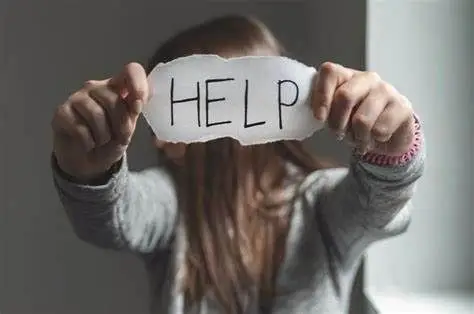
Working with adolescents is my passion. To see the positive changes, their smiles return, is the greatest reward of being a therapist. The statistics speak for themselves about the importance of adolescents seeking help for their mental health struggles.
- One in seven 10-19-year-olds experiences a mental disorder, yet they remain largely unrecognized and untreated.
- Depression, anxiety, and behavioral disorders are among the leading causes of illness and disability among adolescents.
- Suicide is the third leading cause of death among those aged 15–29 years old.
- The consequences of failing to address adolescent mental health conditions extend to adulthood, impairing both physical and mental health and limiting opportunities to lead fulfilling lives as adults.
Adolescence is a crucial period for developing social and emotional habits important for mental well-being. These include adopting healthy sleep patterns; exercising regularly; developing coping, problem-solving, and interpersonal skills; and learning to manage emotions. Protective and supportive environments in the family, at school and in the wider community are important.
Multiple factors affect mental health. The more risk factors adolescents are exposed to, the greater the potential impact on their mental health. Factors that can contribute to stress during adolescence include exposure to adversity, pressure to conform with peers and exploration of identity. Media influence and gender norms can exacerbate the disparity between an adolescent’s lived reality and their perceptions or aspirations for the future. Other important determinants include the quality of their home life and relationships with peers. Violence (especially sexual violence and bullying), harsh parenting and severe and socioeconomic problems are recognized risks to mental health.
Some adolescents are at greater risk of mental health conditions due to their living conditions, stigma, discrimination or exclusion, or lack of access to quality support and services. These include adolescents living in humanitarian and fragile settings; adolescents with chronic illness, autism spectrum disorder, an intellectual disability or other neurological condition; pregnant adolescents, adolescent parents, or those in early or forced marriages; orphans; and adolescents from minority ethnic or sexual backgrounds or other discriminated groups.